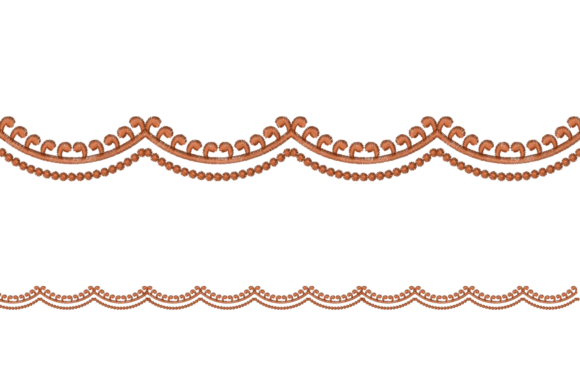
Ornamental Embroidery Borders: A Designer Review
As a professional embroidery designer who frequently sources assets for both custom client orders and my own Etsy shop, I am always evaluating new design assets with a critical eye. When I first encountered the Ornamental Embroidery Borders collection on Creative Fabrica, I wasn't just looking for pretty pictures; I was assessing whether these files could withstand the rigors of commercial production. After testing this machine embroidery design for a recent batch of premium kitchen linens and custom tote bags, here is my honest evaluation of how these borders perform in a real-world studio environment.
First Impressions and Visual Character
The immediate appeal of Ornamental Embroidery Borders lies in their classic versatility. Unlike trendy, novelty designs that have a short shelf life, these motifs possess a timeless elegance that suggests high-end craftsmanship. The visual mood strikes a balance between vintage intricacy and modern cleanliness. For a designer, this is crucial because it means the embroidery file can bridge the gap between heirloom sewing and contemporary boutique merchandise.
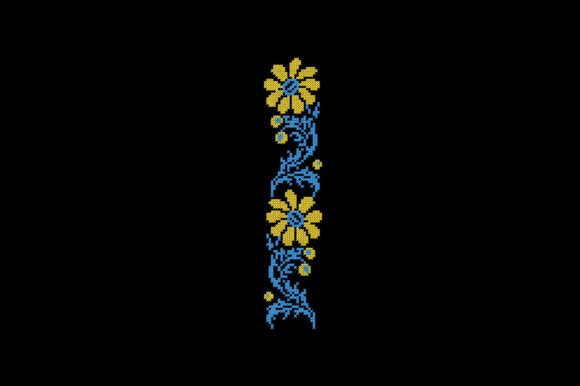
Upon inspecting the digital files before stitching, I noted that the artwork translates well into thread. The lines are distinct without being overly jagged, which often happens when vector art is poorly digitized. The collection features elegant ornamental embroidery borders inspired by classic decorative motifs, making them naturally suited for framing table linens, towels, napkins, clothing edges, and pillows. However, as any experienced digitizer knows, a beautiful screen view does not always guarantee a smooth stitch-out. My primary concern was whether the intricate details would hold up on textured fabrics like linen or terry cloth without getting lost or causing registration issues.
Performance on Linens and Home Decor
I selected a set of flour sack towels and linen napkins for my initial test run. These projects require a border that looks substantial but doesn't distort the fabric's drape. The Ornamental Embroidery Borders performed exceptionally well here. The stitch density appeared balanced; there was enough coverage to look opaque and luxurious, yet not so dense that it created a bulletproof patch that puckered the surrounding material.
For home decor items like pillow covers and table runners, the continuity of the border is paramount. I appreciated that the design elements aligned correctly when re-hooping was necessary for longer runs. This alignment capability is vital for creating a seamless look on larger items. If you are producing handmade products for craft fairs or online sales, this level of precision builds buyer trust. Customers can spot a misaligned join from a distance, and these borders allowed for professional-grade continuity.
Considerations for Stretchy and Dark Fabrics
Moving beyond stable wovens, I tested these borders on a cotton sweatshirt and a dark navy tote bag. This is where practical embroidery notes become essential. On stretchy knits, the satin stitch elements within the border required adequate stabilization to prevent tunneling. I recommend using a cut-away stabilizer and potentially a light topping if your knit has a heavy texture. The design itself is forgiving, but skipping proper stabilizer will result in a distorted finished product.
On dark fabrics, thread color contrast becomes the defining factor of success. Because these are ornamental, they rely on shadow and highlight to show depth. I found that using a variegated thread or a metallic accent helped the border pop against the navy canvas of the tote bag design. However, be cautious with tiny internal details. On very dark or highly textured fabrics, some of the finer running stitch accents may disappear. Always test on scrap fabric first to ensure the detail level matches your specific material choice.
Commercial Viability for Sellers and Entrepreneurs
For Etsy sellers and small business owners, the value of an embroidery file extends beyond its aesthetic. It must be efficient and legally safe for commercial embroidery. The Ornamental Embroidery Borders collection offers excellent ROI potential because of its adaptability. A single border design can be repurposed across multiple product categories:
- Custom Apparel: Hemlines on aprons or cuffs on baby blankets.
- Personalized Gifts: Framing monograms on nursery decor or wedding linens.
- Boutique Merchandise: Adding perceived value to basic blanks like caps or patches.
- Digital Product Listings: Using stitched samples to create accurate printable mockups for other digital assets.
The "classic" nature of these borders also aids in brand consistency. If you are building a shop identity around cottagecore, farmhouse, or vintage aesthetics, having a reliable set of ornamental borders ensures your product photography looks cohesive. This visual consistency increases customer engagement and encourages repeat purchases, as buyers recognize your signature style.
Practical Embroidery Notes and Best Practices
Before you load this Creative Fabrica embroidery design into your machine for a paid order, please heed these practical recommendations derived from my testing:
- Verify Hoop Size Compatibility: Borders often push the limits of standard hoops. Confirm the exact dimensions of the embroidery file against your machine’s maximum stitch area before purchasing. Do not assume resizing will preserve the integrity of ornate details.
- Check Licensing Terms: While this review focuses on technical performance, always confirm the specific license terms on the Creative Fabrica product page. Ensure you are cleared to sell finished items made with this design, especially if you plan to scale production.
- Test Stitch Density: If you are working with delicate silk or sheer organza, the default density might be too heavy. Conversely, for thick denim, it might be too light. Adjustments should be made based on your substrate.
- Inspect Small Details: After your test stitch-out, physically inspect the smallest elements. If thread colors blend too much or details merge, consider editing the file to add slight spacing or changing thread weights.
- Wash Testing: For items needing frequent washing like kitchen towels or baby items, wash your test swatch. Ornamental borders with high stitch counts can sometimes shrink differently than the base fabric. Pre-washing your blank goods is non-negotiable here.
Elevating Product Value Through Design Choice
Ultimately, the decision to use Ornamental Embroidery Borders comes down to the perceived value you wish to convey. In my experience, adding a well-executed ornamental border transforms a simple blank into a premium item. A plain tea towel might sell for $15, but that same towel featuring an elegant, professionally stitched border can command $28-$35. The design acts as a frame, drawing the eye and signaling intentionality.
For those creating personalized gifts, these borders provide a sophisticated backdrop that doesn't compete with names or dates. They enhance rather than overwhelm. Whether you are an apparel decorator looking to upgrade uniform polos or a creative entrepreneur designing seasonal handmade gifts, this collection serves as a robust foundational asset.
However, a word of caution for beginners: ornamental designs are less forgiving of poor hooping technique than simple text or blocky fills. Take the time to master your tension and stabilization with these files. When executed correctly, the Ornamental Embroidery Borders from Creative Fabrica are a worthy addition to any professional embroiderer's library, offering the flexibility and elegance required for high-quality commercial and artisanal work. Always review the specific product details regarding file formats and included sizes to ensure they meet your machine's requirements before starting your next project.