Open Pearl Shell Embroidery: A Designer Review
As a professional embroidery designer specializing in commercial branding and small business merchandise, I approach every new digital asset with a critical eye. When evaluating the Open Pearl Shell Embroidery design for potential use in branded apparel and patches, my primary concern is not just aesthetic appeal, but technical viability and brand alignment. This review analyzes this specific machine embroidery design from the perspective of a production shop owner or Etsy seller looking to expand their product line with aquatic or coastal-themed assets.
First Impressions and Visual Personality
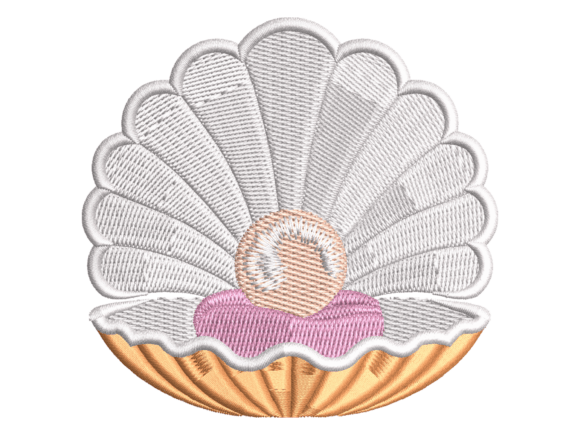
Upon reviewing the Open Pearl Shell Embroidery, the immediate impression is one of organic elegance mixed with rustic charm. Unlike rigid corporate logos, this design carries a handmade product feel that resonates deeply with boutique owners, florists, seafood restaurants, and coastal lifestyle brands. The open nature of the shell suggests transparency and natural beauty, while the pearl element adds a focal point of premium value. For businesses categorized under "Fish" or marine themes, this design avoids the cartoonish look often found in generic clip art, offering instead a sophisticated motif suitable for adult demographics and higher-end custom apparel.
The visual weight of the design appears balanced, which is crucial for brand identity. It does not feel overly dense or heavy, suggesting it will sit well on lighter fabrics without causing puckering. However, the intricate details of the shell ridges and the pearl’s sheen require careful attention to thread colors during production. As a digital embroidery file, its success depends entirely on how well the digitizer has managed the transition between the matte texture of the shell and the glossy highlight of the pearl.
Commercial Applications for Small Business Merch
For small business merch, versatility is key. The Open Pearl Shell Embroidery shows significant promise across multiple applications. In a café or bakery setting near the water, this design works beautifully as an apron embroidery accent. Placed on the chest pocket area or centered on the bib, it communicates a thematic connection to the location without being overtly promotional. For staff uniforms, it serves as a subtle morale booster and a cohesive visual marker that feels less like a uniform and more like curated workwear.
I also see strong potential for this design as an embroidered patch. Because the shape is generally self-contained, it can be easily adapted into a merrowed-edge badge for caps, tote bags, or denim jackets. Patches are excellent inventory items for Etsy sellers because they are low-risk and high-margin. Furthermore, this design translates well to tote bag design, where the larger canvas allows the stitch details to breathe. For creative studios or pet brands focusing on aquatic animals, using this embroidery file as a secondary logo element or a decorative tag on packaging can elevate the perceived value of the finished product significantly.
Technical Considerations and Production Risks
While the aesthetic is strong, technical execution requires caution. When integrating Open Pearl Shell Embroidery into commercial embroidery projects, you must consider stitch density and fabric texture. Shell designs often utilize complex fill stitches to simulate ridges. If the density is too high, the design may become bulletproof and stiff, making it uncomfortable on a cap front or a lightweight summer shirt. Always run a sew-out test on the actual garment material before committing to a bulk order.
Cap embroidery presents specific challenges due to the curved surface and center seam. If the pearl element sits directly over the seam, registration issues may occur. I recommend positioning the design slightly off-center or ensuring your digitization includes adequate pull compensation. Similarly, when working with textured fabrics like canvas totes or ribbed knits, the fine details of the shell may get lost. In these cases, increasing the spacing or simplifying the outline may be necessary to maintain clarity.
Washability is another factor for staff uniforms and aprons. Ensure the thread colors selected are colorfast and that the stabilizer used provides long-term support. A design that looks perfect in the hoop but distorts after three wash cycles damages customer trust. For dark uniforms, verify that the contrast between the shell and the fabric is sufficient; sometimes a white or cream underlay is needed to prevent the dark fabric from showing through lighter thread colors.
Impact on Brand Identity and Customer Trust
Using a specialized design like Open Pearl Shell Embroidery signals to customers that a business pays attention to detail. Generic stock art is recognizable and often associated with lower quality. A distinct, well-executed embroidery design reinforces a unique brand identity. For handmade brands, this consistency between the digital mockup and the physical item builds buyer engagement and loyalty. When a customer sees a crisp, clean shell motif on a product label or gift, it validates the price point and enhances the unboxing experience.
However, professionalism hinges on execution. A poorly hooped or tension-imbalanced version of this design will have the opposite effect. Before listing any item featuring this design, create a printable mockup for client approval if doing custom work, or photograph a physical sample accurately for online listings. Visual consistency across all touchpoints—from the website to the physical merchandise—is what separates hobbyists from established businesses.
Essential Designer Notes for Implementation
To ensure success with this digital embroidery file, adhere to the following professional guidelines:
- Verify File Contents: Remember that this is a digital product delivered in ZIP or RAR format. No physical item will be shipped. Confirm the file formats included match your machine's requirements before purchasing.
- Test Sew-Outs: Never skip testing. Stitch out the design in black and white first to evaluate density and registration without wasting expensive rayon or polyester threads.
- Check Hoop Size: Verify the design dimensions against your available hoops. Resizing beyond 10-15% can distort stitch angles and ruin the shell's texture.
- Stabilizer Selection: Match the stabilizer to the fabric. Use cut-away for stretchy knits and tear-away for stable woven fabrics to prevent distortion.
- Licensing Compliance: Crucially, confirm commercial licensing terms. Just because a file is downloadable does not mean it is cleared for resale on finished products or mass production.
- Mockup Creation: Use realistic mockups to visualize placement. Compare the design beside other brand assets to ensure stylistic cohesion.
- No Returns Policy: Be aware that no returns or refunds are offered for digital products. Download and inspect files immediately upon purchase to address any corruption issues instantly.
Final Verdict for Apparel Decorators
The Open Pearl Shell Embroidery is a valuable asset for businesses operating within coastal, marine, or artisanal niches. Its balance of elegance and organic form makes it suitable for everything from staff aprons to retail patches. However, its success relies on the operator's understanding of stitch dynamics and fabric interaction. By treating this design as a professional component of your brand identity rather than just a decoration, and by adhering to strict testing protocols, you can transform this digital file into a tangible symbol of quality for your small business.