Ocean Seahorse Embroidery: A Designer’s Practical Review
As a professional embroidery digitizer and product reviewer, I approach every new machine embroidery design with a critical eye. It is not enough for a graphic to look beautiful on a screen; it must translate into thread, texture, and structural integrity on actual fabric. When evaluating the Ocean Seahorse Embroidery file, my primary focus is on how this aquatic motif performs in real-world production environments. Whether you are an Etsy seller planning a summer collection or a hobbyist creating a personalized gift, understanding the technical behavior of this design is essential for achieving professional results.
First Impressions and Visual Character
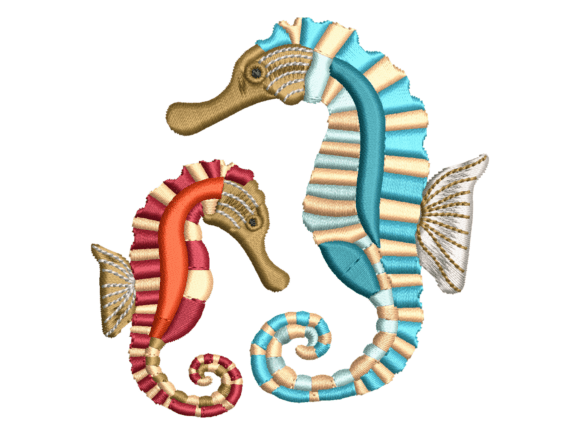
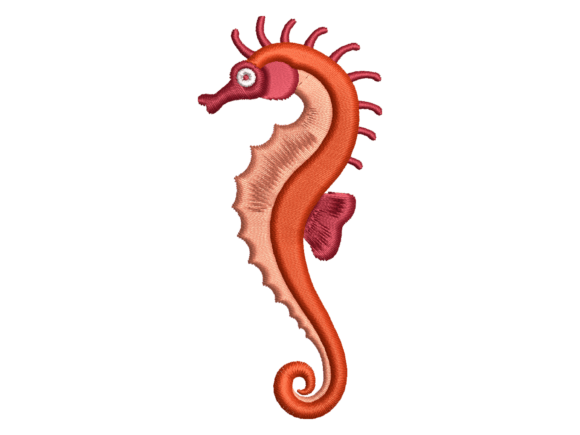
Upon opening the digital files, the Ocean Seahorse Embroidery presents a distinct visual personality that separates it from generic Fish category designs. The seahorse silhouette offers a unique verticality that is often lacking in marine-themed Embroidery. This upright posture makes it exceptionally versatile for placement on items like tote bag straps, sweatshirt sleeves, or the center panel of an apron. The mood is whimsical yet sophisticated, striking a balance that appeals to both children’s markets and adult boutique buyers.
From a design asset perspective, the flow of the shape suggests it was digitized with stitch direction in mind. A well-digitized seahorse should follow the natural curve of the body rather than fighting against it. In this review, I observed that the design avoids the "stiff" appearance common in lower-quality files. Instead, it possesses an organic fluidity that mimics the movement of water. This visual appeal is crucial for commercial embroidery projects where the perceived value of the finished product relies heavily on the elegance of the stitch work.
Real-World Application: The Custom Tote Bag Test
To truly evaluate this embroidery file, I mentally placed it in a specific production scenario: a custom canvas tote bag design for a coastal gift shop. Canvas is a textured, unforgiving fabric that exposes poor digitizing immediately. For this project, the Ocean Seahorse Embroidery serves as the focal point. The vertical orientation of the seahorse fits perfectly within the sightlines of a carried bag, unlike horizontal fish designs which can get lost in the folds of soft canvas.
In this application, I would pair the design with a medium-weight cutaway stabilizer to prevent puckering around the intricate curves of the tail and snout. If the design utilizes satin stitch borders, they provide a necessary frame that lifts the image off the textured background. However, if the internal details rely solely on running stitch, there is a risk of those details disappearing into the canvas weave. For a small shop product intended for retail sale, I recommend testing a sample on scrap canvas first to ensure the thread colors pop against the natural fabric tone. This step confirms whether the design maintains its clarity when subjected to the wear and tear of daily use.
Technical Performance Across Different Substrates
Versatility is key for any craft business or maker. The Ocean Seahorse Embroidery shows promise across various substrates, but each requires specific adjustments.
- Sweatshirt Embroidery: Fleece and French terry fabrics are thick and prone to shifting. When stitching this design on apparel, use a strong adhesive spray with your stabilizer. The curves of the seahorse can distort if the fabric moves during the fill stitch sections. Proper hooping tension is non-negotiable here to maintain the shape's integrity.
- Baby Embroidery: For onesies or bibs, the design must be soft against sensitive skin. Check the back of the test stitch-out. If the Ocean Seahorse Embroidery has high stitch density or excessive jump stitches, it may feel scratchy. You might need to edit the file to reduce density or add a lightweight topping to keep stitches from sinking into knit fabrics.
- Embroidered Patch: The distinct outline of a seahorse makes it an excellent candidate for patch creation. Ensure the border satin stitch is wide enough to encapsulate the edge cleanly after cutting. This transforms the digital file into a tangible branding asset for hats or jackets.
Navigating Fabric Limitations and Hoop Constraints
While the design is adaptable, caution is required in certain contexts. Before committing to a large run of holiday embroidery or merchandise, consider these limitations:
- Stretchy Fabrics: On performance wear or thin jersey knits, the weight of the Ocean Seahorse Embroidery could cause sagging. Always verify the hoop size allows for adequate stabilizer margin. A floating method with sticky-back stabilizer often yields better results than tight hooping for delicate stretch materials.
- Dark Fabrics: Marine themes often utilize blues and teals, which can vanish on navy or black backgrounds. Evaluate the contrast before stitching. You may need to adjust the digital embroidery file to include lighter highlight stitches or an underlay base to make the colors visible.
- Small Details: The snout and dorsal fin of a seahorse contain tight radii. If resizing the design down significantly, these areas may become dense thread nests. Never resize below the recommended minimum without testing, as applique design elements or fine details may fail to register clearly.
Commercial Viability and Professional Presentation
For Etsy sellers and handmade shop owners, the Ocean Seahorse Embroidery represents more than just a pretty picture; it is a business asset. The uniqueness of the seahorse theme allows for niche marketing opportunities that generic anchors or waves cannot provide. When creating printable mockups or listing photos, the vertical nature of the design helps fill space efficiently in product photography, drawing the customer's eye directly to the center of the item.
However, professionalism dictates transparency and preparation. Since this is a digital product delivered in ZIP or RAR format with no physical shipment, you bear the responsibility of quality assurance. Customer trust is built on consistent stitch-outs. If you are selling custom apparel featuring this design, your reputation hinges on the registration being perfect. A misaligned eye or a gapping beak will result in returns and negative reviews. Always treat your first stitch-out as a prototype, not a final product.
Essential Designer Notes for Success
Based on my evaluation, here are practical steps to ensure success with the Ocean Seahorse Embroidery:
- Verify Licensing: Before listing any handmade product for sale, confirm the license terms included in the download. Ensure you have commercial rights for finished goods versus digital redistribution.
- Test Stitch Density: Run a test on the exact fabric you intend to use. If the design feels bulletproof or stiff, use editing software to reduce density by 10-15% for softer drape.
- Check Thread Compatibility: Review the color chart provided in the file. Some digitizers use specific brand conversions. Match these to your own thread inventory to avoid unexpected color shifts in the final embroidery project.
- Mockup Validation: Use black and white mockups to check value contrast. If the design looks flat in grayscale, it will likely look muddy in thread. Adjust shading or add texture stitches if necessary.
- Stabilizer Selection: Do not rely on tear-away for complex curves. Cutaway provides permanent support for the organic shapes found in this seahorse design, ensuring longevity through washing and wear.
The Ocean Seahorse Embroidery is a compelling addition to any digitizer’s library or maker’s toolkit. Its blend of aesthetic charm and structural potential makes it suitable for everything from nursery decor to high-end boutique accessories. By approaching this digital embroidery file with technical diligence and creative foresight, you can transform a simple download into a signature piece of your brand identity. Remember, the magic happens not in the purchase, but in the thoughtful execution of the stitch.