Ripe Purple Grapes Embroidery Design Review
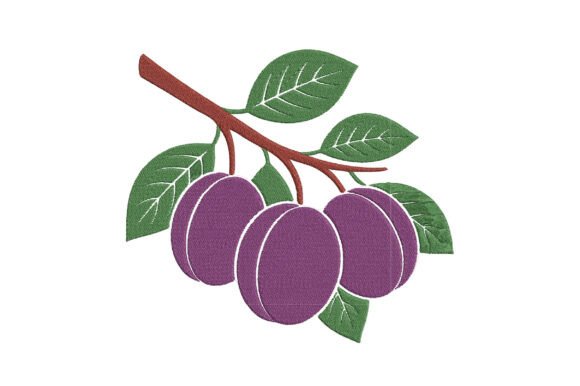
As I prepare my inventory for the upcoming weekend craft fair, I am constantly evaluating which digital assets will translate best into physical sales. When reviewing the Ripe Purple Grapes Embroidery Design, my immediate impression is one of classic elegance with a rustic undertone. While this file might be categorized under Single Flowers in some databases due to its botanical nature, it reads visually as a premium harvest motif. The description promises deep purple tones and fresh green leaves, suggesting a color palette that feels rich and saturated rather than cartoonish or overly simplistic. For a handmade product lineup, this design signals sophistication, making it an excellent candidate for customers seeking elevated kitchen textiles or boutique accessories rather than novelty items.
Evaluating Market Viability for Craft Fair Products
When setting up a booth, visual hierarchy is everything. Customers scan tables quickly, and the Ripe Purple Grapes Embroidery Design has the potential to serve as a strong focal point. Based on the "juicy" and "elegant" descriptors, this machine embroidery design is best suited for products where the stitch work can be appreciated up close. I envision this performing exceptionally well as a tea towel embroidery feature on high-quality linen or flour sack cotton. The contrast between deep purple thread and natural beige or white fabric creates an instant farmhouse-chic aesthetic that flies off shelves at artisan markets.
Beyond kitchenware, this pattern is a prime contender for tote bag design. A canvas market bag featuring this grape cluster communicates eco-friendly luxury. Unlike generic floral patterns, grapes suggest abundance and culinary appreciation, which resonates with shoppers buying local produce or gourmet gifts. For Etsy sellers and small shop owners, this versatility means one embroidery file can anchor multiple product listings. However, I would approach apron embroidery with caution; while beautiful, ensure the placement is high enough on the bib to avoid being obscured by folds or pockets when worn. The design’s organic shape also lends itself beautifully to embroidered patches for denim jackets or wine-themed gift bags, provided the sizing is adjusted correctly.
Production Practicality and Stitch Performance
From a production standpoint, the viability of any commercial embroidery project hinges on how well the digitizing handles density and detail. The Ripe Purple Grapes Embroidery Design likely involves significant fill stitches to achieve those "deep purple tones." As an experienced designer, I know that juicy fruit designs often require high stitch density to prevent the base fabric from showing through. This makes stabilizer selection critical. For textured towels or thick canvas tote bags, you must use a robust cut-away or heavy tear-away stabilizer to prevent puckering. If the design includes shading or blending to create depth, test the registration first; misaligned color breaks in dense areas can ruin a finished product instantly.
Batch production efficiency is another key factor for craft fair prep. Because this design features specific thread colors, it requires more frequent thread changes than a monogram or simple line art. To maximize output, I recommend grouping all projects requiring this specific purple and green palette together. Run all the grape clusters first, then swap hoops for the next batch. This workflow minimizes downtime. Additionally, verify the hoop size requirements before committing to a production run. If the design pushes the limits of a standard 4x4 hoop, consider whether resizing it down compromises the leaf details or grape definition. Sometimes, offering a smaller accent version alongside the full-size focal design captures both budget-conscious buyers and those wanting a statement piece.
Visual Merchandising and Online Presentation
A beautiful stitch-out is only half the battle; presentation drives the sale. For booth displays, the Ripe Purple Grapes Embroidery Design should be showcased on varying fabric textures to demonstrate its adaptability. Display a sample on a dark navy napkin to highlight the vibrancy of the purple, and another on unbleached muslin to emphasize the rustic charm. Lighting matters immensely here; ensure your booth lights are warm enough to render the purple accurately without washing out the green leaves. Dark colors can sometimes look black in poor lighting, so position this design where it catches direct illumination.
For digital sellers and Etsy entrepreneurs, photography is paramount. Create at least one real mockup using actual stitched samples rather than relying solely on software renderings. Buyers need to see how the thread sheen interacts with the fabric texture. When listing this as a digital embroidery file, clearly state the intended skill level regarding density and stabilization. If selling finished goods, style the item in context—perhaps tucked into a wicker basket or draped over a wooden cutting board. This contextual styling helps buyers visualize the handmade product in their own homes, increasing perceived value and conversion rates. Remember that consistent branding across your printable mockups and physical booth signage builds trust and recognition.
Critical Designer Notes for Successful Execution
Before loading this design into your machine for a full production run, adhere to these professional best practices to protect your reputation and materials:
- Test on Scrap Fabric: Never assume settings transfer perfectly between fabrics. Test the Ripe Purple Grapes Embroidery Design on the exact material you intend to sell, especially if switching from cotton to linen or canvas.
- Verify Thread Contrast: Deep purples can vary wildly between brands. Compare your physical thread against the design chart to ensure the "fresh green leaves" provide adequate contrast against the fruit. Low contrast kills visual impact.
- Check Licensing: Before selling finished products at a craft fair or online, confirm the commercial licensing terms included with the digital embroidery file. Protect your business by ensuring you have the right to sell items made with this design.
- Mind the Details: If resizing the design smaller than intended, inspect tiny stem details or leaf veins. These may become lost or cause needle breaks at reduced sizes. It is better to omit a detail than to risk a messy stitch-out.
- Stabilizer Matching: Match stabilizer weight to fabric texture. Sheer fabrics require different support than heavy denim. Puckering around dense grape clusters is the most common failure point for fruit designs.
- Color Fastness: Since this design uses saturated dyes, wash-test a sample to ensure the purple thread does not bleed onto lighter fabrics. This is non-negotiable for tea towel embroidery and washable tote bags.
Final Verdict for Handmade Sellers
The Ripe Purple Grapes Embroidery Design represents a valuable asset for creative entrepreneurs focusing on quality over quantity. Its elegant aesthetic bridges the gap between traditional folk art and modern farmhouse decor, giving it broad appeal at craft fairs and in online boutiques. By treating this design with the technical respect it demands—paying attention to density, stabilization, and color accuracy—you elevate it from a simple digital file to a premium finished product. Whether used as a standalone centerpiece on a market bag or as part of a curated collection of botanical kitchen textiles, this pattern offers genuine selling power for those willing to execute it with precision. Always prioritize real-world testing over digital assumptions, and let the richness of the design speak for itself in your final handmade offerings.