Modern Minimalist Flower Embroidery Review
As a professional embroidery designer and product reviewer, I approach every new machine embroidery design with a critical eye toward production reality. It is not enough for a digital file to look attractive on a screen; it must translate into a durable, aesthetically pleasing finished product. When evaluating the Modern Minimalist Flower Embroidery, my primary focus is how this specific aesthetic functions in real-world applications for Etsy sellers, apparel decorators, and makers who need reliable design assets. This review breaks down the practical performance of this motif, moving beyond basic descriptions to assess its true value in a commercial or high-end hobbyist workflow.
Aesthetic Versatility and Market Positioning
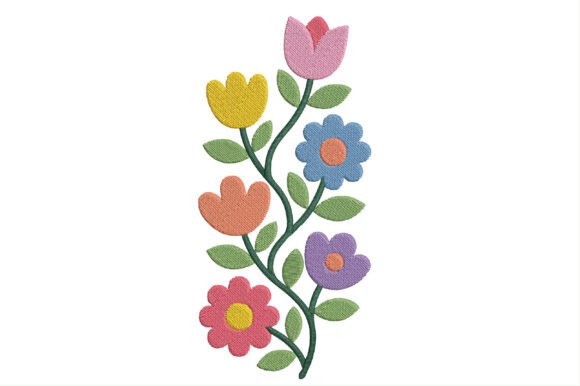
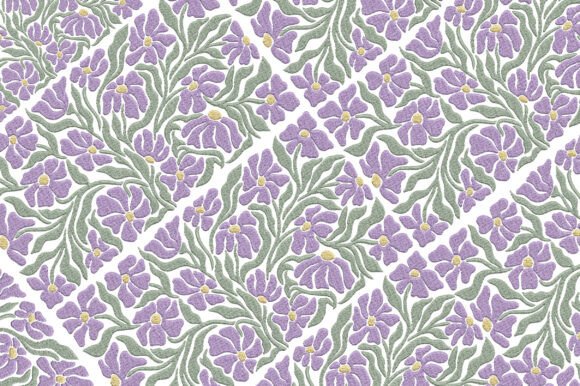
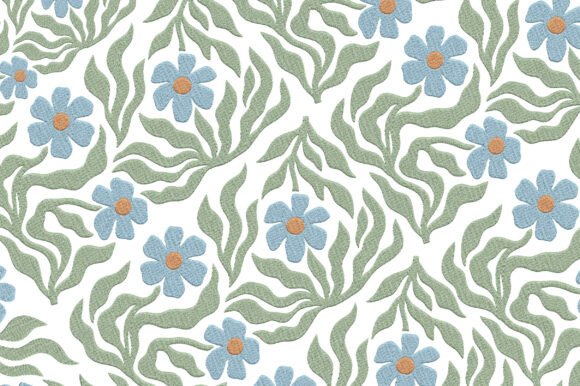
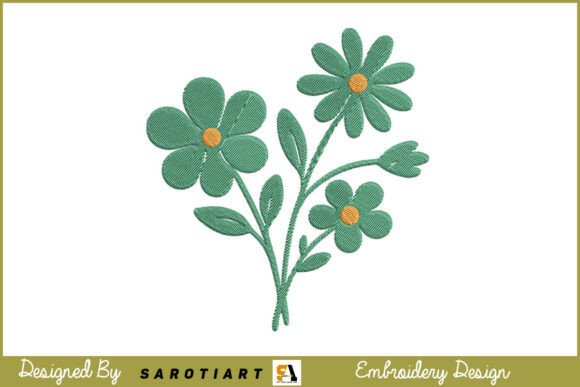
The first impression of Modern Minimalist Flower Embroidery is one of intentional restraint. In an industry often saturated with overly dense, complex florals, this design stands out because of what it leaves out. The visual personality is clean, contemporary, and uncluttered. For a craft business or boutique owner, this minimalism is a strategic asset. It signals a modern sensibility that appeals to current trends in home decor and fashion without competing with the base garment or item itself.
Unlike traditional botanical designs that rely on heavy fill stitch areas, this style typically utilizes negative space as a design element. This creates a lighter, more breathable feel that is essential for custom apparel like lightweight t-shirts or summer dresses. The mood is sophisticated yet accessible, making it appropriate for a wide demographic ranging from nursery decor to adult streetwear. For those selling personalized gifts, this neutrality allows the customization—such as a name or date—to take center stage without the floral accent feeling overwhelming or dated.
Real-World Application: The Custom Tote Bag Test
To truly understand the utility of this embroidery file, I evaluated it through the lens of a specific production scenario: creating a line of premium canvas tote bags for a small shop merchandise launch. Tote bags are a staple for commercial embroidery, but they present unique challenges due to fabric texture and customer expectations for durability.
In this scenario, Modern Minimalist Flower Embroidery performs exceptionally well because of its structural efficiency. Canvas is a textured fabric that can swallow fine details. A highly intricate floral might lose definition, but the bold, simplified lines of this minimalist design maintain clarity against the weave of the canvas. When positioning the design, I found it works best as an off-center accent rather than a dead-center placement. This asymmetry aligns with the "modern" descriptor and elevates the perceived value of the tote bag design.
From a production standpoint, the lower stitch density inherent in minimalist styles reduces puckering on unstructured fabrics like canvas. This means less time spent on hooping adjustments and stabilizer experimentation. For an Etsy seller fulfilling orders during peak seasons, this efficiency directly impacts profit margins. Furthermore, the design’s simplicity allows for easy color swapping. I was able to test the same file in muted earth tones for a fall collection and bright pastels for spring, effectively doubling the SKU potential from a single digital embroidery file.
Fabric Compatibility and Technical Constraints
While versatile, Modern Minimalist Flower Embroidery requires thoughtful placement. Not all fabrics interact with minimal line work in the same way. Understanding these nuances prevents wasted materials and ensures client satisfaction.
- Stretchy Knits and Sweatshirts: This design is ideal for sweatshirt embroidery because minimal designs generally have lower stitch counts, reducing the risk of a heavy, bulletproof patch effect. However, you must use adequate cut-away stabilizer to prevent the open spaces from distorting when the garment is worn.
- Baby Clothing and Delicates: For baby embroidery, the lack of dense fill stitches is a major advantage. It keeps the garment soft against sensitive skin. Ensure the backing is trimmed closely and covered with a fusible interfacing to protect the baby from any scratchy thread tails.
- Textured Linens and Tea Towels: While the design reads well on canvas, very coarse linens may require a water-soluble topping to keep running stitches from sinking into the fabric weave. Without this, the crispness of the minimalist lines can be lost.
- Caps and Curved Surfaces: Use caution here. Minimalist flowers often rely on precise geometry. On a curved cap surface, registration shifts can make simple lines look crooked. If using this for headwear, verify the digitizing includes proper compensation for curvature.
Conversely, avoid using this specific aesthetic on high-pile fabrics like terry cloth or plush fleece unless you treat it as an applique design. The delicate nature of minimalist stitching will disappear entirely into the pile, rendering the effort invisible.
Impact on Perceived Value and Brand Consistency
In the handmade marketplace, consistency builds trust. Modern Minimalist Flower Embroidery serves as an excellent anchor for brand identity. Because the design avoids hyper-specific stylistic flourishes (like Victorian shading or cartoonish outlines), it pairs seamlessly with various typography styles. Whether you are adding serif fonts for a wedding gift or sans-serif block letters for corporate swag, this floral accent adapts without clashing.
This adaptability extends to marketing. When creating a printable mockup or listing photos, minimalist designs photograph cleanly. They do not create moiré patterns on camera and are easily recognizable even in small thumbnail images. For digital product sellers offering this as a download, providing black-and-white preview images alongside colored versions helps buyers visualize the design's structure, increasing conversion rates by demonstrating the quality of the digitizing.
Essential Designer Notes for Production Success
Before loading this embroidery project into your machine for a final run, adhere to these professional best practices to ensure the Modern Minimalist Flower Embroidery meets your quality standards:
- Verify Specifications: Always check the included documentation for exact stitch count, recommended hoop size, and format compatibility. Do not assume standard sizing; minimalist designs can vary wildly in scale.
- Test Stitch Density: Run a sample on scrap fabric identical to your final project. Inspect the tension. Minimalist lines often use satin or running stitches that can gap if the tension is too loose or pucker if too tight.
- Contrast Check: Test thread colors against both light and dark backgrounds. A design that looks elegant in white-on-cream may vanish on beige. High contrast is usually safer for minimalist aesthetics to preserve visual impact.
- Stabilizer Selection: Match your stabilizer to the fabric weight, not just the design size. Even a low-stitch-count design needs proper support on unstable fabrics to maintain geometric integrity.
- Licensing Confirmation: If you plan to sell finished items or include this in a bundle of design assets, confirm the commercial license terms. Protecting your business starts with respecting intellectual property rights.
- Mockup Validation: Before listing a new handmade product, digitally overlay the design on a photo of the actual blank item you use. Generic mockups can sometimes misrepresent scale, leading to customer returns.
Modern Minimalist Flower Embroidery represents a balance of artistic trend and manufacturing pragmatism. By understanding its behavior across different substrates and respecting the technical requirements of minimal digitizing, makers can leverage this design to create products that feel both current and enduring. Whether you are producing holiday embroidery gifts or stocking your online shop with evergreen staples, this design offers a reliable foundation for professional-quality results.