Curly Tail Monkey Embroidery: A Designer’s Stitch Test
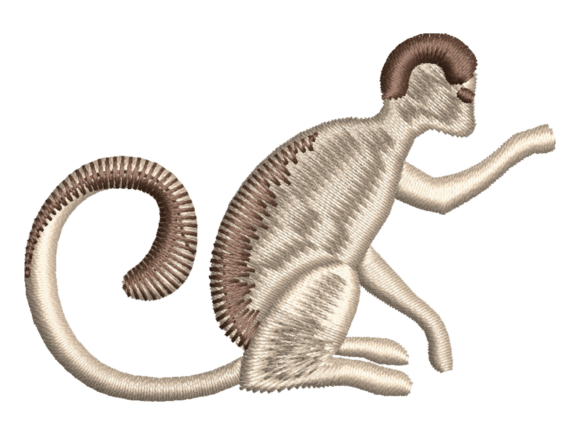
When evaluating a new machine embroidery design for my studio, I look beyond the digital preview. I need to know how the file translates from screen to fabric, especially when creating products for clients or stocking my own handmade shop. The Curly Tail Monkey Embroidery design immediately caught my eye within the Wild Animals category because of its distinct personality. It is not just a generic animal outline; the curled tail suggests movement and playfulness that can elevate a simple project into something memorable. However, as any experienced embroiderer knows, charm on a computer monitor does not always guarantee clean stitches on textured canvas or stretchy knit. My review focuses entirely on practical application, stitching performance, and commercial viability for fellow makers and business owners.
First Impressions and Design Character
My initial assessment of this embroidery file centers on visual balance. The curling tail acts as a natural focal point, but it also presents a technical consideration regarding stitch direction and pull compensation. In digital previews, the design feels whimsical yet structured enough for professional use. It avoids the overly cartoonish aesthetic that limits marketability, striking a nice middle ground suitable for both nursery decor and boutique apparel. For an Etsy seller or craft business owner, this versatility is crucial. You want design assets that appeal to multiple demographics without requiring extensive editing. The layout appears optimized for standard placement, making it a strong candidate for left-chest logos on sweatshirts or centered motifs on tote bags.
Real-World Application: The Custom Tote Bag Test
To truly judge this design, I mentally walked through a recent client request for personalized canvas tote bags intended as holiday gifts. Canvas is unforgiving; it hides fine detail but highlights poor registration. When applying the Curly Tail Monkey Embroidery to this substrate, I considered how the stitch density would interact with the coarse weave. If the design relies heavily on delicate running stitches for facial features, they might get lost in the fabric texture. Conversely, if the body utilizes dense fill stitches, proper stabilizer choice becomes non-negotiable to prevent puckering.
For this specific tote bag project, I envision pairing the monkey with a simple monogram or name in a complementary font. The playful nature of the curly tail adds value to what could otherwise be a plain utility item. Customers perceive higher worth in embroidered items that tell a story or evoke emotion. This design succeeds because it transforms a basic accessory into a keepsake. Whether you are producing custom apparel for a school fundraiser or creating stock inventory for a craft fair, this motif offers immediate recognition and emotional connection that drives sales.
Fabric Compatibility and Stabilizer Strategy
Not every embroidery project yields the same results, and this design requires strategic planning based on your chosen material. Here is how I approach different substrates when using this file:
- Stretchy Knits and Sweatshirts: The curved elements of the tail are prone to distortion on unstable fabrics. Always use a high-quality cut-away stabilizer rather than tear-away. Test the tension first; if the satin stitch borders sink into the fleece, consider adding a water-soluble topping to keep the stitches crisp.
- Woven Cottons and Tea Towels: These are ideal for this design. The stable weave supports detailed fill stitches and allows the personality of the monkey to shine. Ensure your hoop tension is even to maintain the circular integrity of the tail shape.
- Caps and Curved Surfaces: Proceed with caution. Depending on the exact dimensions of this digital embroidery file, the vertical height of the tail may exceed safe sewing fields on structured caps. Always verify the hoop size against your machine’s capabilities before committing to headwear.
- Baby Clothes and Onesies: Softness is paramount. Check the back of the design after stitching. If the stitch count is high or the backing feels scratchy, apply a fusible interfacing or soft cloud cover to protect sensitive skin. This attention to comfort defines a premium handmade product.
Commercial Viability for Sellers and Makers
For those running a small shop or selling on platforms like Etsy, licensing and presentation matter as much as stitch quality. Since this is a digital product delivered via ZIP or RAR format with instant download, you must verify the included license terms before listing finished products. Assuming commercial use is permitted, this design serves as excellent core inventory. It works exceptionally well for niche markets such as zoo-themed birthday parties, wildlife education merchandise, or unique baby shower gifts.
Visual presentation sells the product before the needle ever touches fabric. I recommend creating printable mockups showing the Curly Tail Monkey Embroidery on varied backgrounds. Test it digitally against dark charcoal and light cream fabrics to ensure thread color contrast remains effective. A design that pops on white but disappears on navy blue limits your potential customer base. By showcasing the design on diverse products—from aprons to pillow covers—you demonstrate its range and help buyers visualize the final result. This builds trust and reduces pre-sale questions about sizing and suitability.
Critical Technical Checks Before Stitching
Even the most beautiful embroidery file can fail without proper preparation. Because no physical item is shipped and returns are not accepted for digital goods, due diligence falls entirely on the user. Follow these steps to protect your materials and reputation:
- Verify File Formats: Confirm the ZIP contains the specific format your machine reads (PES, DST, EXP, etc.) before deleting the archive. Organize your digital library immediately to avoid future confusion.
- Run a Physical Test: Never stitch directly onto a final product without a test run on similar scrap fabric. Check for registration errors between color changes, especially where the tail connects to the body.
- Audit Thread Colors: Digital previews often use idealized shading. Map out your actual thread colors physically. Does the brown have enough warmth? Is the face detail visible against the body color? Adjustments here prevent muddy-looking results.
- Inspect Small Details: Zoom in on the design in your software. Are there tiny satin columns that might cause thread breaks or needle deflection? If so, widen them slightly or adjust the underlay settings.
- Confirm Hoop Size Requirements: Do not assume the design fits your smallest hoop. Measure the actual stitch field dimensions provided in the file metadata to select the appropriate hoop, ensuring adequate margin for clamping.
Elevating the Finished Product
Ultimately, the Curly Tail Monkey Embroidery succeeds because it balances artistic appeal with functional adaptability. It is more than just a cute animal; it is a versatile asset for creative entrepreneurs. When executed correctly on the right fabric with proper stabilization, it communicates professionalism and care. Buyers can distinguish between a rushed job and a thoughtfully crafted piece. The clarity of the stitches, the vibrancy of the thread colors, and the appropriateness of the placement all contribute to perceived value.
Whether you are personalizing a gift for a loved one or building a cohesive collection for your online store, treat this design with the respect due to any professional tool. Understand its limitations on difficult fabrics and celebrate its strengths on stable ones. By approaching this embroidery file with a critical, maker-focused mindset, you ensure that every stitched monkey brings joy to the recipient and profit to your business. Remember, in the world of commercial embroidery and handmade goods, consistency creates customers, and thoughtful design selection is the foundation of that consistency.