Nautical Lifebuoy Embroidery Design Review
As a professional embroidery designer running a personalized gift shop, I am constantly evaluating new digital assets to ensure they meet the high standards my customers expect. When planning for the upcoming Summer season, I recently tested the Nautical Lifebuoy Embroidery Design to see if it would be a viable addition to our coastal and nursery collections. This review shares my practical experience stitching out this machine embroidery design, analyzing its performance on real products, and determining its value for Etsy sellers and small business owners looking to expand their handmade product lines.
First Impressions and Emotional Appeal
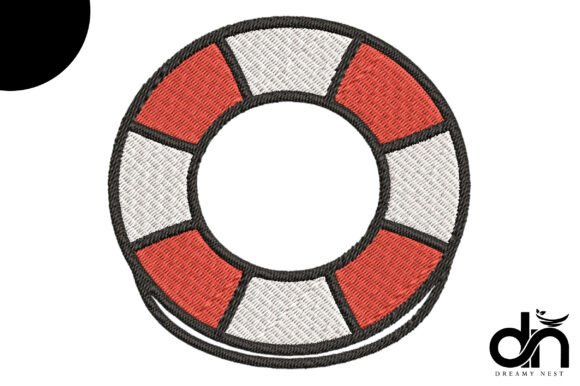
Upon loading the embroidery file into my software, the first thing that struck me was the balance between whimsy and classic nautical tradition. The Nautical Lifebuoy Embroidery Design manages to feel both playful and elegant, a combination that is essential for successful baby embroidery and wedding gift markets. The digitizing appears clean, with smooth curves on the ring itself and distinct separation between the rope details and the main body of the lifebuoy. This clarity is vital because nautical themes can easily become muddy if stitch density is too high or detail is lost.
Emotionally, this design evokes feelings of safety, adventure, and seaside nostalgia. For a personalized gift, these are powerful triggers. It does not look like a generic clip-art graphic; rather, it possesses a handcrafted charm that suggests care and intention. Whether intended for a coastal nursery decor pattern or a beach house kitchen towel, the mood is distinctly warm and inviting. As an experienced designer, I appreciate when a digital embroidery file translates that emotional connection directly through thread and texture.
Real-World Application: From Nursery to Wedding
I tested this design across three distinct categories to gauge its versatility for commercial embroidery and custom orders. Understanding where a design shines helps prevent costly mistakes and returns.
Baby Blankets and Nursery Decor
For baby embroidery, safety and softness are paramount. I stitched the Nautical Lifebuoy Embroidery Design onto a plush minky blanket using a tear-away stabilizer and a layer of water-soluble topping to prevent the stitches from sinking into the pile. The result was excellent. The design held its shape without becoming overly stiff, which is crucial for items touching sensitive skin. This makes it an ideal candidate for welcome blankets, bibs, and nursery wall hangings. Parents love nautical themes for gender-neutral nurseries, and this specific lifebuoy motif offers a sweet alternative to harsher anchors or ships.
Kitchen Towels and Home Goods
Next, I tested the design on a flour sack embroidered towel. Kitchen textiles require durability and frequent washing. Here, the stitch density proved appropriate; it provided enough coverage to pop against the fabric texture without causing puckering. For Etsy sellers focusing on home decor, this design works beautifully as a centerpiece on pillow covers or tote bags. I found that adding a monogram inside the center of the ring elevated the perceived value significantly, transforming a simple summer motif into a premium custom embroidery piece.
Wedding Keepsakes and Apparel
Surprisingly, this whimsical sea life ring also serves well for destination weddings. I visualized this on a denim apron for a groom’s cake cutter or embroidered onto linen napkins for a beachside reception. The key here is thread color selection. By swapping bright primary colors for muted navy, cream, and gold metallic threads, the Nautical Lifebuoy Embroidery Design shifted from playful to sophisticated. This adaptability is what makes a digital product worth the investment for small shop owners who need designs that work across multiple niches.
Critical Considerations for Stitching Success
While the design is versatile, there are specific scenarios where caution is required. Through my testing, I identified several areas where makers must be mindful to maintain quality.
- Small Lettering: If you plan to personalize the lifebuoy with names or dates, verify the minimum text height. Nautical ropes have complex textures, and placing small lettering directly over them can lead to illegibility. Always test on scrap fabric first.
- Textured Fabrics: On terry cloth or fleece, always use a heavy-duty water-soluble stabilizer on top. Without it, the fine details of the rope knots will disappear into the fabric texture.
- Stretchy Materials: For onesies or stretchy knits, use a cut-away stabilizer and consider floating the garment if the hoop size is tight. Distortion of the circular shape is immediately noticeable in geometric designs like this.
- Dark Fabrics: High contrast is necessary. White or cream rope details on navy fabric look stunning, but ensure your underlay is sufficient to prevent the dark fabric from showing through the lighter stitches.
Impact on Business and Customer Perception
For those selling finished products or digital files, the presentation of the Nautical Lifebuoy Embroidery Design matters as much as the stitch-out. High-quality embroidery builds customer trust. When a buyer sees crisp registration and thoughtful placement, they perceive the item as a true handmade product rather than mass production.
This design photographs exceptionally well due to its recognizable silhouette. For Etsy listings, I recommend creating printable mockups that show the design in context—perhaps on a draped blanket or hanging on a hook. Visualizing the scale helps buyers understand the hoop size and final dimensions. Furthermore, offering this as part of a "Summer Collection" bundle can increase average order value. Customers often search for cohesive themes, so pairing this lifebuoy with matching anchors or sailboats creates a complete narrative for their purchase.
Practical Technical Notes for Makers
Before listing any item featuring this design or selling the file itself, adhere to these professional best practices:
- Verify Licensing: Always confirm the commercial licensing terms included with the Nautical Lifebuoy Embroidery Design. Ensure you have the right to sell finished physical products versus reselling the digital embroidery file itself.
- Test Stitch-Outs: Never run a customer order without a prior test. Check thread tension and bobbin thread visibility, especially on the curved edges of the ring.
- Stabilizer Matching: Match your stabilizer weight to the fabric. A lightweight voile requires different support than canvas. Using the wrong stabilizer is the most common cause of poor results with this type of circular design.
- Color Contrast Checks: View your thread color choices in natural light. What looks good on screen may lack definition in person. Create a physical color chart for your shop to ensure consistency.
- Hoop Size Confirmation: Double-check that the design fits comfortably within your hoop with adequate margin for the presser foot. Crowding the hoop can cause alignment issues during multi-color stops.
The Nautical Lifebuoy Embroidery Design is a robust, emotionally resonant asset for any embroidery business focusing on coastal, nursery, or summer goods. Its blend of whimsy and structure allows it to transition seamlessly from a baby's first blanket to a bride's beach wedding. By paying attention to fabric texture, stabilizer choice, and personalization placement, makers can leverage this design to create meaningful, high-value products that resonate deeply with customers seeking that perfect nautical touch.