Happy Baby Heart Machine Embroidery File Review
As an embroidery designer preparing for a busy weekend craft fair, my selection process is rigorous. I cannot afford to waste time on designs that cause production headaches or fail to catch the eye of a passerby. When evaluating the Happy Baby Heart Machine Embroidery File for my upcoming market booth, I am looking at more than just a cute graphic; I am assessing a potential bestseller. This design falls squarely into the Family Quotes category, but its application in commercial embroidery requires a critical eye toward stitch density, fabric compatibility, and shelf appeal. Here is my professional assessment of how this digital embroidery file performs when translated from screen to finished product.
First Impressions: Soft Appeal Meets Market Viability
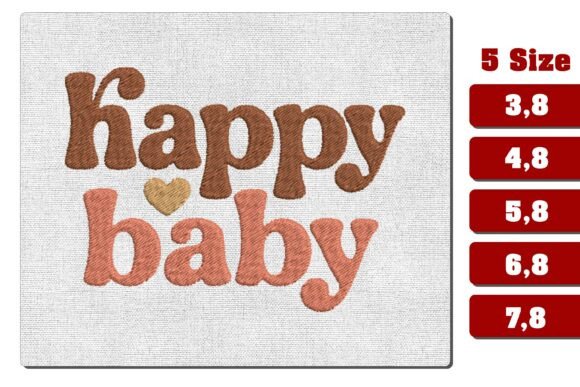
My immediate reaction to the Happy Baby Heart Machine Embroidery File is that it strikes a necessary balance between sentimental and clean. In the handmade product space, "baby" themes can sometimes veer into overly complex or cluttered aesthetics that do not digitize well. This design, however, feels modern and soft. It possesses a gentle elegance that suggests it will photograph beautifully for Etsy listings while remaining legible from five feet away at a crowded vendor table. The heart motif serves as a universal anchor, making it instantly recognizable as a family-oriented piece without needing excessive text. For a craft fair product, this instant recognition is vital. Customers browsing quickly need to understand the emotional value of the item within seconds, and this design delivers that clarity effectively.
Strategic Product Placement for Craft Fairs
Determining where to place this machine embroidery design is half the battle. Based on the available sizes—3.8, 4.8, 5.8, 6.8, and 7.8 inches—I have mapped out specific applications for my booth inventory. The versatility of these dimensions allows for a cohesive collection rather than disjointed items.
- Tote Bag Design: The 6.8-inch or 7.8-inch size is ideal for canvas tote bags. At this scale, the Happy Baby Heart becomes a focal point on natural cotton canvas. The larger size ensures the design does not get lost against the textured weave of a market bag, making it a strong seller for new parents or grandparents who want a functional yet sentimental carryall.
- Tea Towel Embroidery: The 4.8-inch and 5.8-inch options are perfect for flour sack towels. These sizes sit comfortably in the center or lower third of a standard towel without overwhelming the negative space. Tea towels are high-volume sellers at markets, and this design adds a premium, personalized touch that elevates them above generic kitchen linens.
- Apron Embroidery: For bib aprons, the 5.8-inch size offers excellent placement on the chest area. It acts as a subtle branding element for family-oriented businesses or a sweet detail for personal use. The design’s likely rounded edges should conform reasonably well to the drape of apron fabric.
- Embroidered Patch and Pouches: The smallest 3.8-inch version is a workhorse for small shop products. It fits perfectly on zipper pouches, cosmetic bags, or even as a standalone embroidered patch. Small items are essential impulse buys at craft fairs, and having a high-quality, readable design at this compact size increases average transaction value.
Production Practicality and Batch Efficiency
For any Etsy seller or boutique maker, time is money. A design might be beautiful, but if it takes three hours to stitch out or requires constant thread trims, it destroys profit margins. The Happy Baby Heart Machine Embroidery File appears optimized for batch production. The inclusion of multiple pre-sized variations means I do not have to spend hours resizing and recalculating stitch paths manually. This consistency is crucial for brand coherence across different products. When displaying tea towels next to tote bags, customers appreciate seeing the same design rendered proportionately correctly on each item. Furthermore, heart shapes generally digitize with efficient run stitches and satin borders, which typically translates to faster stitch-out times compared to intricate floral or landscape scenes. This efficiency makes it a reliable choice for stocking up before a major selling event.
Critical Technical Considerations for Makers
Despite its appeal, no digital embroidery file is without potential pitfalls. As a professional, I must highlight areas requiring caution during production to ensure the finished product meets commercial standards.
- Fabric Texture and Stabilizer: When stitching the smaller 3.8-inch size on textured fabrics like terry cloth or linen, detail loss is a risk. You must use an appropriate stabilizer, potentially including a water-soluble topping, to prevent stitches from sinking into the pile. Always test on scrap fabric first to confirm the stabilizer combination holds the design crisp.
- Stitch Density Checks: Before running a full production batch, inspect the stitch density. If the heart contains fill stitches, ensure they are not too dense for lightweight fabrics like baby onesies or thin cotton, as this can cause puckering. Conversely, verify there is enough coverage on darker fabrics so the background does not show through.
- Hoop Size Verification: While the design comes in specific sizes, always confirm your hoop size accommodates the largest dimension plus adequate margin for hooping. Attempting to squeeze a 7.8-inch design into a tight hoop can lead to registration errors and distorted shapes.
- Thread Colors and Contrast: For Family Quotes and baby themes, pastel threads are common. However, pastels can disappear on white fabric. Test thread contrast rigorously. Sometimes using a slightly deeper shade or adding a tonal outline improves visibility and perceived quality in person versus in a printable mockup.
Enhancing Booth Display and Buyer Engagement
The true test of the Happy Baby Heart Machine Embroidery File is how it drives sales. Visually, this design supports a warm, inviting booth aesthetic. Because it bridges the gap between nursery decor and practical accessories, it attracts a wide demographic. To maximize engagement, I recommend creating physical samples in at least three different sizes to demonstrate versatility. Pair the embroidered items with complementary props—wooden spoons for the tea towels, baby shoes for the pouches—to create lifestyle vignettes. For online sellers, this design assets package is valuable because the clean lines translate well to digital mockups, but nothing replaces the trust built by showing real, stitched photos. Highlighting the "handmade" aspect in your listing descriptions, specifically mentioning the care taken in hooping and stabilizing this specific design, reinforces value.
Final Designer Notes for Commercial Success
Before listing any finished product derived from this embroidery file, verify the licensing terms included with your purchase. Ensure you have the right to sell physical goods commercially. Additionally, never skip the step of creating at least one real mockup. Digital renderings often fail to capture how thread sheen interacts with fabric grain. Compare fabric colors under natural light, as booth lighting and outdoor sun can drastically alter how pastels appear. Finally, consider the narrative. When selling items featuring the Happy Baby Heart Machine Embroidery File, tell the story of the design. Is it for a new arrival? A grandmother's gift? Connecting the technical excellence of the embroidery with the emotional intent of the buyer is what transforms a simple stitch file into a cherished handmade product. By treating this design with professional respect and technical diligence, it has the potential to become a staple in your craft fair lineup and a consistent performer in your small business portfolio.