Decorative Floral Embroidery Design Review
As I curate my upcoming seasonal collection, I am constantly evaluating which digital assets will translate best into finished products that resonate with holiday shoppers. My latest review focuses on the Decorative Floral Embroidery Design, a pattern that promises a blend of boho aesthetics and minimalist elegance. For fellow Etsy sellers, apparel decorators, and small business owners planning limited-time drops, selecting the right machine embroidery design is about more than just visual appeal; it is about production viability and emotional connection. This review breaks down how this specific floral motif performs in real-world holiday selling situations, from sweatshirt embroidery to intricate home decor.
First Impressions: Boho Elegance Meets Seasonal Warmth
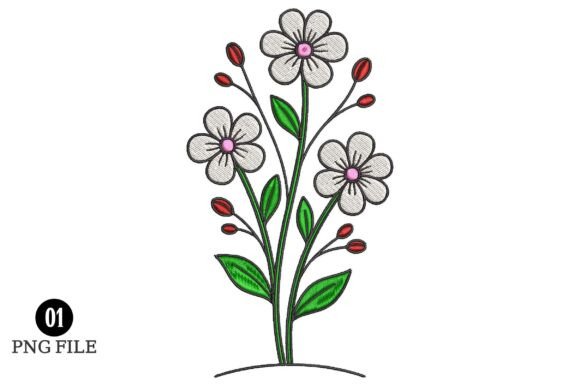
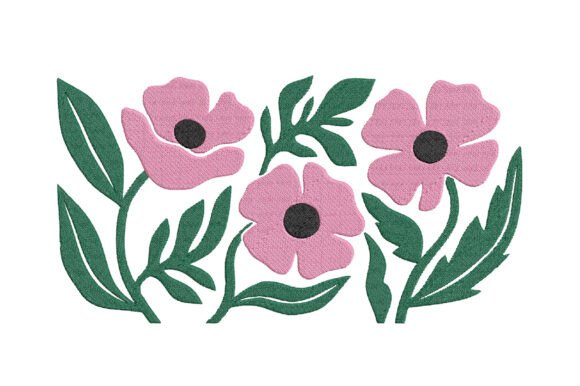
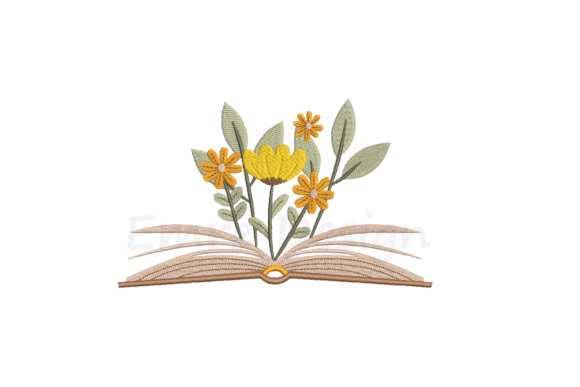
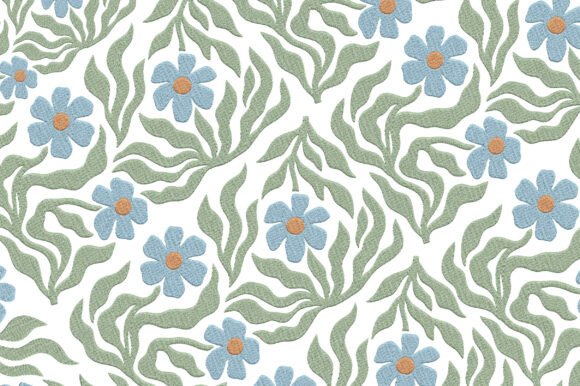
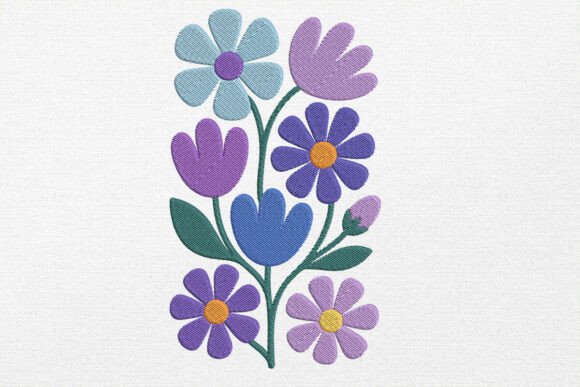
Upon loading the embroidery file into my digitizing software, the first impression is one of refined simplicity. The Decorative Floral Embroidery Design features elegant wildflowers rendered in a minimalist style that feels distinctly modern yet timeless. Unlike dense, traditional holiday embroidery that can sometimes feel heavy or outdated, this pattern carries an airy, organic mood. It strikes a balance between festive and everyday wearability, making it an excellent candidate for products intended to be used long after the decorations come down.
The emotional tone leans toward cozy nostalgia and romantic softness. While categorized under Wedding Flowers, the versatile nature of these wildflowers allows them to transition seamlessly into seasonal embroidery for winter gatherings, Valentine’s Day, or spring refreshes. For handmade gift makers, this aesthetic is crucial. Buyers are currently seeking personalized gift options that feel artisanal rather than mass-produced. The line art quality suggests a delicate touch, evoking feelings of warmth and care that are essential for successful holiday marketing.
Strategic Product Applications for Holiday Sales
When building a seasonal shop product lineup, versatility is key to maximizing return on investment. The Decorative Floral Embroidery Design shows significant promise across multiple categories. Here is how I envision integrating this design into a profitable holiday collection:
- Sweatshirt Embroidery: The minimalist wildflower arrangement is ideal for left-chest placement or centered yoke designs on cream, sage, or dusty rose sweatshirts. The open spacing prevents the garment from becoming stiff, maintaining the cozy drape customers expect in premium loungewear.
- Tote Bag Design: Canvas totes are top-tier sellers for holiday markets. This design stitches out beautifully on natural cotton canvas, creating a reusable shopping bag that doubles as a fashion accessory. The boho floral theme appeals to eco-conscious shoppers looking for sustainable gift wrapping alternatives.
- Kitchen Towel Embroidery: Linen and flour sack towels serve as high-margin add-ons. The elegant wildflowers elevate a basic utility item into a decorative kitchen accent. These make perfect hostess gifts or stocking stuffers when bundled with artisanal treats.
- Pillow Cover Accents: For home decor enthusiasts, this pattern adds texture without overwhelming a room. Stitching the design in tonal thread colors on velvet or linen pillow covers creates a sophisticated look that fits both farmhouse and modern interior styles.
- Embroidered Patch Production: Given the clean lines, this artwork could be adapted into felt patches for denim jackets or backpacks. Patches are low-cost, high-perceived-value items that drive impulse buys at craft fairs.
Technical Considerations and Fabric Limitations
While the Decorative Floral Embroidery Design is visually stunning, experienced embroiderers know that screen appearance does not always equal stitch-out success. There are specific scenarios where caution is required to maintain quality and customer trust.
Fabric Texture and Density: Because this is a minimalist line art style, the stitch density is likely lower than filled designs. This is advantageous for lightweight fabrics but requires careful stabilizer selection on stretchy knits. When working on sweatshirt embroidery, always use a cut-away stabilizer to prevent puckering around the delicate stems. Conversely, on thick terry cloth kitchen towels, you may need a water-soluble topping to ensure the fine details do not get lost in the pile.
Small Hoop Size Challenges: If you plan to offer this design on baby items or cuffs, verify the minimum hoop size requirements before purchasing the digital embroidery file. Reducing complex floral elements too much can result in thread breaks or undefined shapes. Always test stitch at the smallest intended size to confirm legibility.
Thread Colors and Contrast: Minimalist designs rely heavily on contrast. On dark fabrics, standard rayon threads might disappear. I recommend testing metallic or high-sheen polyester thread colors to make the wildflowers pop against navy or charcoal backgrounds. However, be mindful that metallic threads require slower machine speeds and larger needles to prevent fraying during commercial embroidery runs.
Enhancing Buyer Emotion and Brand Value
In the crowded holiday marketplace, visual recognition and brand consistency set successful shops apart. The Decorative Floral Embroidery Design supports a cohesive brand identity because of its adaptable style. Whether applied to a wedding favor or a Christmas ornament, the underlying aesthetic remains consistent, helping customers instantly recognize your work.
This design also enhances perceived product value. Shoppers associate detailed, well-executed floral embroidery with craftsmanship and luxury. By positioning this pattern as part of a "limited edition" or "signature collection," you tap into the urgency of seasonal shopping while justifying a premium price point. Furthermore, the gender-neutral and ageless appeal of wildflowers broadens your target demographic, allowing you to market the same base design to brides, new mothers, and home decorators simultaneously.
Designer Notes for Successful Production
Before listing any finished product derived from this Decorative Floral Embroidery Design, adhere to these professional best practices to ensure quality and compliance:
- Verify Licensing: Always confirm the commercial embroidery license terms included with the digital embroidery file. Ensure you have the rights to sell physical products featuring this design, especially if purchasing from a third-party digitizer.
- Create Realistic Mockups: Do not rely solely on digital renderings. Stitch a sample on the actual fabric you intend to sell and photograph it in natural lighting. A printable mockup or lifestyle photo showing the texture of the stitches builds significantly more trust than a flat digital image.
- Test Wash Durability: Holiday gifts like kitchen towels and sweatshirts will be laundered frequently. Wash and dry your test sample to check for shrinkage or thread distortion. Adjust your stabilizer or tension if the design warps after cleaning.
- Plan Color Palettes Early: Source your thread colors before the holiday rush. Boho palettes often involve specific shades of terracotta, mustard, and olive that can be hard to find during peak season. Having a pre-approved color chart ensures consistency across bulk orders.
- Check File Specifications: Since specific stitch counts and formats were not provided in the initial description, open the file in your software to verify compatibility with your machine and estimate production time. Accurate timing is critical for meeting holiday shipping deadlines.
The Decorative Floral Embroidery Design represents a strong opportunity for creators looking to merge trend-aware aesthetics with classic embroidery techniques. Its minimalist wildflower motif offers the flexibility needed for diverse seasonal applications, from apparel to home goods. By approaching this design with technical diligence and strategic marketing, small business owners can create meaningful, high-quality products that capture the spirit of the season while building lasting customer loyalty. Remember to always validate technical specs and licensing personally, as these factors are the foundation of a sustainable embroidery business.