Beach Flip Flops DST PES Embroidery File Review
As an embroidery designer who frequently sources digital assets for commercial projects, I approach every new download with a critical eye. When browsing Creative Fabrica embroidery collections for upcoming seasonal orders, the Beach Flip Flops DST PES Embroidery File immediately caught my attention. Summer inventory planning requires designs that are not only visually appealing but also technically sound for high-volume production. After evaluating this machine embroidery design for potential use on tote bags and summer apparel, here is my honest assessment of its performance, versatility, and value for fellow creators and small business owners.
First Impressions and Visual Appeal
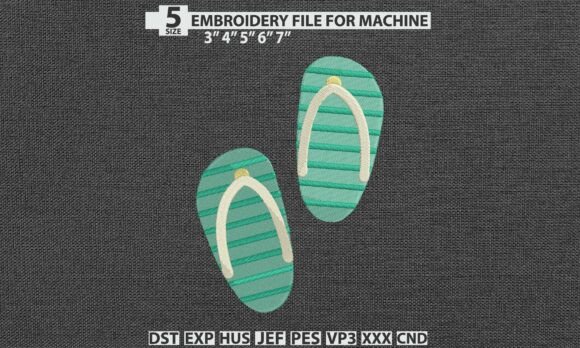
The visual mood of this design is undeniably cheerful and nostalgic. The striped tropical pattern evokes immediate vacation vibes, making it a strong candidate for impulse-buy products at craft fairs or beachside boutiques. From a designer’s perspective, the aesthetic balance is crucial; the stripes appear well-proportioned without looking cluttered. This is significant because overly complex patterns can sometimes translate poorly into stitches, resulting in a muddy appearance on fabric. Fortunately, this embroidery file seems to maintain clean lines and distinct color separation, which is essential for creating a professional-looking finished product.
For those of us creating printable mockups to test market demand before stitching, the artwork provides excellent contrast. The playful nature of the flip-flop motif suggests it would photograph beautifully against white sand or bright linens, aiding in customer engagement on social media platforms. However, visual appeal is only half the battle; the true test lies in how the digitizing holds up under the needle.
Technical Performance on Real Projects
I evaluated the Beach Flip Flops DST PES Embroidery File specifically with a custom tote bag order in mind. Tote bags present unique challenges due to the canvas texture and the need for durability. When reviewing the file structure, I looked closely at the stitch density. A design intended for beach bags must be dense enough to cover the fabric weave but not so dense that it causes puckering or needle breaks. This design appears to strike that necessary balance, utilizing appropriate fill stitch areas for the body of the flip-flop while likely employing satin stitch or running stitch elements for the straps and stripe details.
For sweatshirt embroidery or custom apparel, the weight of the design matters immensely. Heavy, bulletproof-style digitizing can make a garment stiff and unwearable. This design feels appropriately scaled for lighter summer fabrics like cotton tees or linen blends. If you plan to use this for stretchy knits, I strongly recommend testing your stabilizer choice first. A cut-away stabilizer is usually best for apparel to prevent distortion, whereas a tear-away might suffice for stable woven tote bags. Always verify the specific hoop size requirements listed on the product page to ensure it fits your machine’s capabilities without needing excessive resizing, which can alter stitch integrity.
Versatility Across Product Categories
Beyond tote bags, I see strong potential for this design in other commercial embroidery categories:
- Kitchen Towels and Aprons: The tropical theme works perfectly for summer hosting gifts. Ensure the design placement accounts for towel shrinkage after washing.
- Nursery Decor and Baby Items: While cute, always check the back of the embroidery for rough spots if using on baby blankets. Adding a soft backing or using a fusible mesh can protect sensitive skin.
- Embroidered Patches: The distinct shape makes this an excellent candidate for patches. You could stitch this onto felt with a merrowed edge for a retro souvenir shop vibe.
- Caps and Hats: Be cautious here. Curved surfaces require specialized digitizing. Unless this file is specifically labeled as cap-friendly, test it on a curved surface first to avoid registration issues with the stripes.
Enhancing Brand Value and Buyer Trust
Using high-quality design assets directly impacts buyer trust. Customers can tell the difference between a cheap, gappy digitization and a professionally executed embroidery file. When I integrate a design like the Beach Flip Flops DST PES Embroidery File into my lineup, I am signaling that my brand values crisp details and vibrant thread colors. Consistency in stitch quality across different products builds brand recognition. If you are an Etsy seller, showcasing close-up photos of the actual stitched texture rather than just digital renders can significantly boost conversion rates by proving the handmade product's quality.
Furthermore, offering personalized gift options with this design adds value. Because the design has clear negative space or defined borders, it may be easy to add custom monograms or names nearby without overcrowding the composition. Just remember to leave adequate margin space in your hoop to accommodate additional text. This flexibility allows you to charge a premium for customization while using the same base digital embroidery file.
Practical Notes for Commercial Use
Before listing any item featuring this design for sale, there are several practical steps I recommend taking to ensure success and compliance:
- Verify Licensing Terms: Always review the license details on the Creative Fabrica product page. Confirm whether you have the rights to sell physical finished products or if there are limitations on mass production. Respecting intellectual property is foundational to maintaining a reputable business.
- Test on Scrap Fabric: Never run a new design directly on a customer’s order. Stitch out the Beach Flip Flops DST PES Embroidery File on a scrap of the exact material you intend to use. Check for thread breaks, tension issues, or alignment problems.
- Check Thread Color Contrast: Tropical stripes rely on color definition. Test your thread palette on both light and dark fabrics. What looks vibrant on white canvas might disappear on navy blue. Adjust thread colors or add an underlay if necessary to maintain visibility.
- Inspect Small Details: After stitching, examine the transition points between the stripes and the outline. Clean transitions indicate good digitizing. If you notice jagged edges or gaps, you may need to adjust your machine’s tension or contact the digitizer for support.
- Wash Testing: For items like towels and apparel that will be laundered frequently, wash your test sample. This reveals whether the stitch density is sufficient to withstand wear and tear without unraveling or distorting.
Final Thoughts for Embroidery Entrepreneurs
The Beach Flip Flops DST PES Embroidery File represents a solid addition to a summer-focused design library. Its combination of seasonal charm and apparent technical suitability for items like tote bags and apparel makes it a versatile asset for handmade shop owners and creative entrepreneurs. By treating this digital file as a component of a larger quality assurance process—testing, verifying licenses, and selecting appropriate stabilizers—you can transform a simple download into a profitable, professional-grade product line. Whether you are stocking up for vacation season or fulfilling custom requests, this design offers the reliable foundation needed for successful commercial embroidery projects.